
Mixed-Use Development Roofing roof planning built from the roof condition.
Mixed-Use Development Roofing starts with understanding where the roof is failing, how the building is used, and what level of disruption the property can support.
The review connects leak history, membrane condition, flashing details, drains, penetrations, access, and schedule constraints into a practical roof path.
Commercial Roofing Contractors of Boston keeps the next step clear for Boston, MA commercial buildings that need repair, replacement, coating, or maintenance decisions.
Commercial roof scope, documentation, access planning, and weather-aware scheduling for acrylic roof coatings.
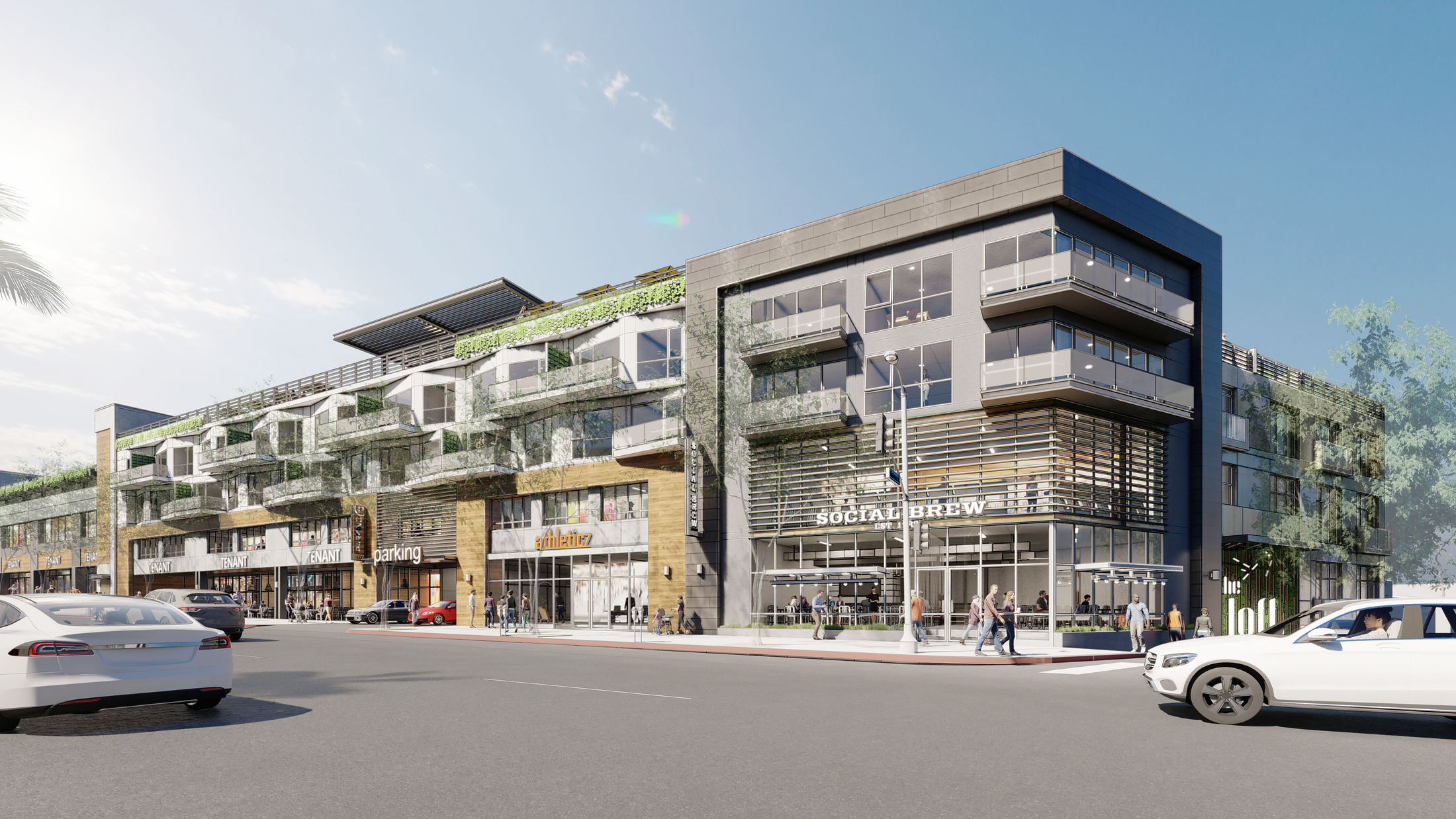
The Seaport Square development in Boston's Innovation District — a billion-dollar mixed-use complex that has transformed a former industrial waterfront into a dense urban neighborhood of residential towers, hotels, office buildings, and ground-floor retail — represents the highest tier of mixed-use complexity in the Boston roofing market. Buildings in this district reach thirty to forty stories, with commercial podiums of eight to twelve floors topped by residential towers, and the waterproofing systems at the transitions between commercial and residential zones must perform to standards that would be more at home in a hospital envelope specification than in standard commercial construction.
High-rise mixed-use buildings in Boston present wind and weather exposure that ground-level commercial buildings do not contend with. At twenty-five stories above the waterfront, membrane systems and terrace waterproofing are exposed to wind speeds that are substantially higher than the design wind speeds applicable to two-story commercial buildings a few miles inland. Boston Harbor wind events can deliver sustained gale-force winds with driving rain, and the waterproofing details at high-rise terrace edges, parapet copings, and curtain wall-to-roof transitions must be specifically engineered for this elevated exposure, not adapted from standard commercial residential specifications.
Occupied residential above commercial creates an operating constraint in Boston's high-rise mixed-use buildings that is complicated by the building's continuous occupancy and by the Massachusetts Sanitary Code's strict standards for habitability. A single water intrusion event in a residential unit at a luxury Boston development can trigger a resident remediation claim, a property management dispute, and — if the unit is rent-stabilized — a complaint to the Boston Inspectional Services Department. The stakes of roofing and waterproofing failures in occupied Boston residential buildings are substantially higher than in many other markets, and contractors must price accordingly for the quality of execution that these standards demand.
Terrace and deck waterproofing at Boston high-rise mixed-use buildings involves challenges that are unique to the Northeast climate. Freeze-thaw cycling acts on terrace waterproofing assemblies through the paver joints, planter boxes, and drainage mat layers that cover and complicate the underlying membrane. Water trapped beneath paver systems freezes and expands, and repeated cycling opens paver joints and eventually works at the membrane surface below. Terrace waterproofing in Boston must incorporate drainage mat products rated for freeze-thaw cycling, and the membrane itself must be a reinforced, traffic-bearing system rather than a standard low-slope commercial membrane.
Green roofs at Boston mixed-use developments serve multiple functions simultaneously: they are resident amenities, stormwater management infrastructure under the Boston Water and Sewer Commission's stormwater credit program, and building insulation systems that contribute to the building's energy performance under Boston's building energy reporting requirements. Specifying a green roof that satisfies all of these functions simultaneously requires coordination among the waterproofing contractor, a landscape architect, and the building's mechanical engineer, with the property developer's sustainability certification goals informing the overall design.
Building envelope continuity at Boston high-rise mixed-use buildings requires coordination across multiple building envelope trade contractors — the roofing and waterproofing contractor, the curtain wall installer, the balcony and terrace waterproofing contractor, and the below-grade waterproofing contractor. In buildings where these scopes are held under separate contracts, the general contractor or construction manager must enforce a coordinated envelope submittal and mock-up review process before any of these scopes are installed. Contractors who have experience participating in this kind of envelope coordination process bring a qualification advantage over those who have only executed single-scope commercial projects.
Boston's South Boston Waterfront and Innovation District developments are subject to the Boston Redevelopment Authority's design review process, which includes standards for building materials and exterior appearance. Visible roofing materials on high-rise buildings — terrace paving, green roof edges visible from adjacent towers, parapet cap treatments — are within the scope of BRA design review and must be consistent with the approved design documentation. Roofing contractors must confirm that their material specifications are consistent with BRA-approved documentation before finalizing procurement.
Odor and chemical management during roofing work at occupied Boston mixed-use buildings requires strict discipline because high-rise buildings recirculate air through HVAC systems that can carry construction odors from the roof level to residential floors many stories below. Modified bitumen torching, hot-applied rubberized asphalt, and solvent-based adhesives have all created building-wide odor events at Boston high-rise construction and maintenance projects that triggered building-wide complaints and emergency HVAC responses. Water-based adhesives, cold-applied asphalt systems, and torch-free membrane systems are the preferred products for occupied Boston mixed-use buildings, and contractors who propose torch-applied systems without a detailed odor mitigation plan will face objection from experienced property management teams.
Long-term maintenance planning at Boston's high-rise mixed-use developments benefits from a comprehensive building envelope management program that tracks the condition of all horizontal and vertical waterproofing systems under one service relationship. Property management companies managing multiple Boston mixed-use assets increasingly seek contractors who can provide program-level reporting across their portfolio — uniform condition scoring, warranty tracking, and capital projection data — rather than building-specific reports that cannot be compared or aggregated.
- Preventive Maintenance Programs
- Insulation Recovery Board
- Office Building Roofing
- Occupied Building Reroofing
- Built Up Roofing
- Wind Damage Roof Repair
- Self Storage Roofing
- EPDM Commercial Roofing