

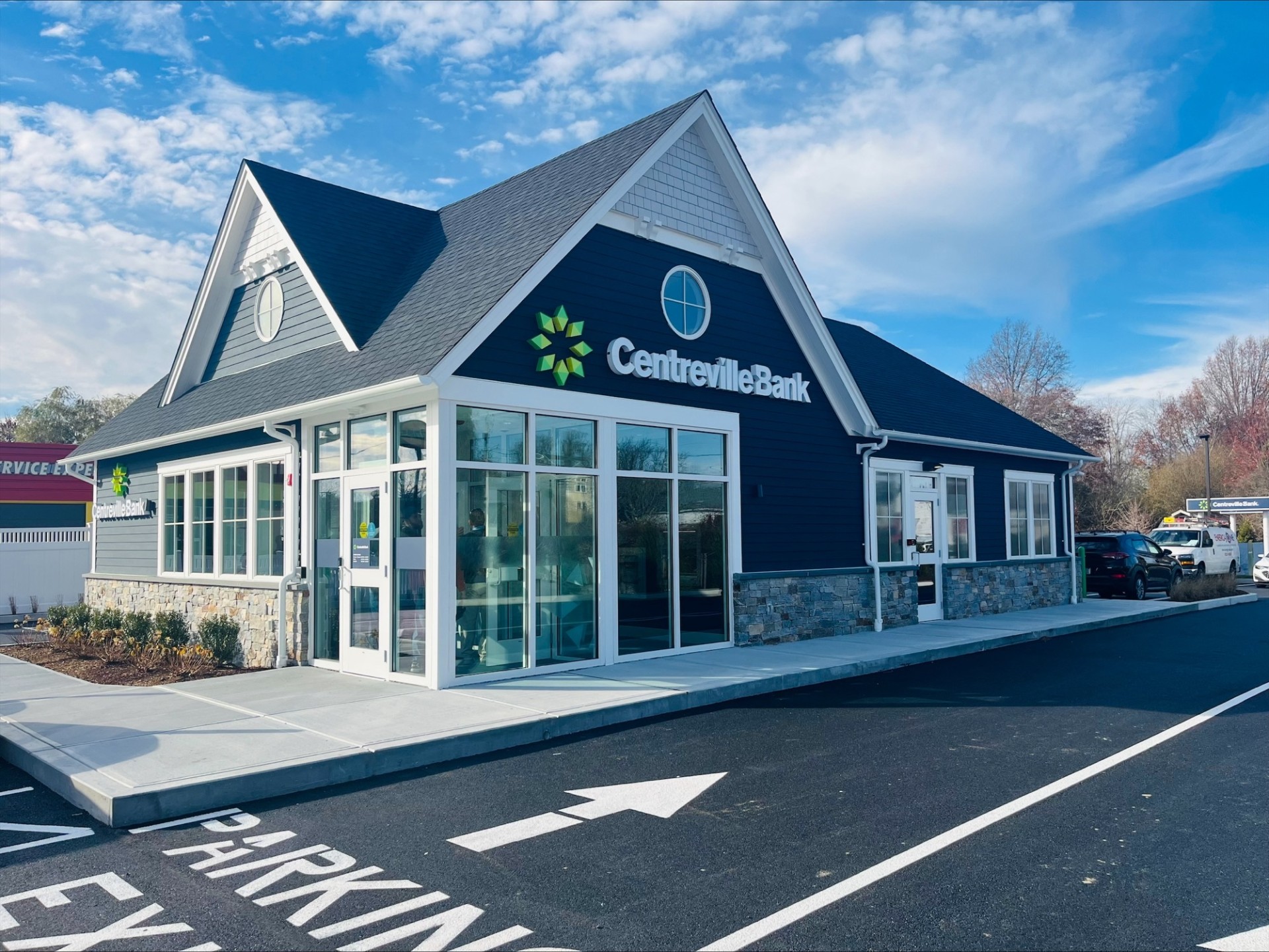
Bank & Financial Building Roofing roof planning built from the roof condition.
Bank & Financial Building Roofing properties need roof planning that accounts for occupancy, access, staging, rooftop equipment, tenant sensitivity, and the building's operating rhythm.
The roof path may involve leak repair, preventive maintenance, coating review, recover planning, or full replacement depending on the age and condition of the assembly.
Commercial Roofing Contractors of Boston helps organize those choices into clear next steps for commercial buildings in Boston, MA.
Small roofs, high stakes, secured access — we keep Boston bank branches and financial offices dry and discreet.
A small footprint with very little room for error
A bank branch is usually a modest flat roof, but the consequences of a leak are out of proportion to its size. Underneath sit teller lines, a vault, a server or network closet, and ATM equipment — places where a single ceiling drip means closed transactions, an insurance claim, or a shutdown of the systems the branch runs on. Boston's financial presence runs from the towers of the Financial District and Post Office Square down to the neighborhood branches and credit unions along Dorchester Avenue, Centre Street in West Roxbury, and the commercial strips of Allston, East Boston, and the suburbs, plus the back-office and operations buildings out along the Route 128 corridor in Waltham and Needham. Whether it is a glass corporate headquarters or a single retail branch with a drive-through, the roof has to come off and go back on without water ever reaching the floor below and without disrupting a business that runs strict hours under real security.
The drive-through canopy is where branches leak
On a retail bank with a drive-through, the most reliable source of a chronic leak is the canopy. The teller and ATM canopy is a separate small roof tied back to the main building, and that roof-to-wall transition lives through hard thermal cycling, differential movement between two structures that settle differently, and overspray and road grime from the lane below. Standard retail flashing details do not survive it long-term. We pull the canopy out of the field-membrane scope and treat the transition as its own engineered detail built for that movement, because replacing the main roof field while leaving the canopy connection alone simply leaves the leak in place. Bank roofs also carry more penetrations than the footprint suggests — generator and transfer-switch exhaust, server-room precision cooling units, ATM vestibule enclosures, and night-depository hardware — and each gets flashed as an individual item.
Access is a security question before it is a roofing question
Financial buildings control who gets on the roof more tightly than almost any other commercial type. Contractor badging, escort requirements near vault-adjacent zones, and camera documentation of crew activity are routine on bank-owned property in Boston. We build the credentialing timeline and any escort requirements into the bid and the schedule up front, so security coordination is a known cost rather than a surprise that stalls the job after the contract is signed. We identify vault and secure-room locations from the drawings before mobilizing and sequence work over those zones into the windows the security team approves.
Keeping sensitive rooms dry through the work
Server rooms and equipment closets cannot get wet even briefly, so dry-in discipline on a bank is absolute. We never open more roof than we can make watertight the same day, we confirm protection over the network and vault zones before crews leave, and we plan tear-off so that a sudden New England squall never reaches the equipment below. Over a branch that small and that critical, a tarp that fails overnight is not acceptable, so we close out every day fully sealed.
Because the branch is a customer-facing storefront on a busy corner, appearance and access matter as much as watertightness. The roof is small and highly visible from the street and the drive lane, so parapet caps, coping, and the edge metal that frames the building are finished cleanly and kept consistent with the brand's look. We stage materials and the crane or boom lift to keep the customer entrance, the ATM lane, and the drive-through queue open and safe during banking hours, and we keep debris and fall protection clear of the public sidewalk. A branch should look open for business from the curb even while the roof is being replaced overhead.
Single branches and multi-site portfolios alike
Most financial institutions in Boston either own a cluster of branches or sit inside a corporate real estate structure with centralized facilities management. National programs through the major banks come with preferred-vendor requirements, standardized scope documentation, and national-account pricing frameworks, and we work inside those structures for portfolio accounts while also serving community banks and credit unions managing one building at a time. For a multi-site program we provide consistent scoping, documentation, and pricing across the portfolio with a single project-management contact, and the corporate closeout package every institution expects: insurance and license verification before mobilization, a pre-construction safety plan, daily work and dry-in reports, manufacturer warranty registered in the owner's name, and the final permit and inspection set for the property file.
Bank & Financial Building Roofing Questions
We concentrate active tear-off and installation during off-hours and weekends, confirm dry-in before the branch opens each morning, and coordinate work windows, noise limits during customer hours, and any security escort requirements with the branch manager and corporate facilities team.
We pull the canopy-to-building transition out of the field scope and treat it as its own engineered detail built for the differential movement, thermal cycling, and overspray it sees. That connection is the most common chronic bank leak and it is never fixed by replacing the field membrane alone.
Typically insurance certificates and license verification before mobilizing, a pre-construction safety plan, daily work and dry-in reports, manufacturer warranty registered in the owner's name, and a final permit and inspection package. We work inside each institution's vendor-management and approved-contractor process.
Yes. We locate vault and secure-room zones from the drawings before mobilizing, sequence work over them into security-approved windows, and confirm with the security team that vibration or temporary access changes do not affect operations.
Yes. Portfolio programs — from a regional bank with a few dozen branches to a national institution across Massachusetts — are a regular part of our work. We provide standardized scoping, documentation, and pricing across the portfolio with a single point of contact for corporate facilities.
- Event Venue Roofing
- Warehouse Roofing
- Hospital Surgery Center Roofing
- Office Complex Roofing
- Industrial Flex Space Roofing
- Energy Efficient Cool Roof Installation
- University Campus Roofing
- Silicone Roof Coatings