

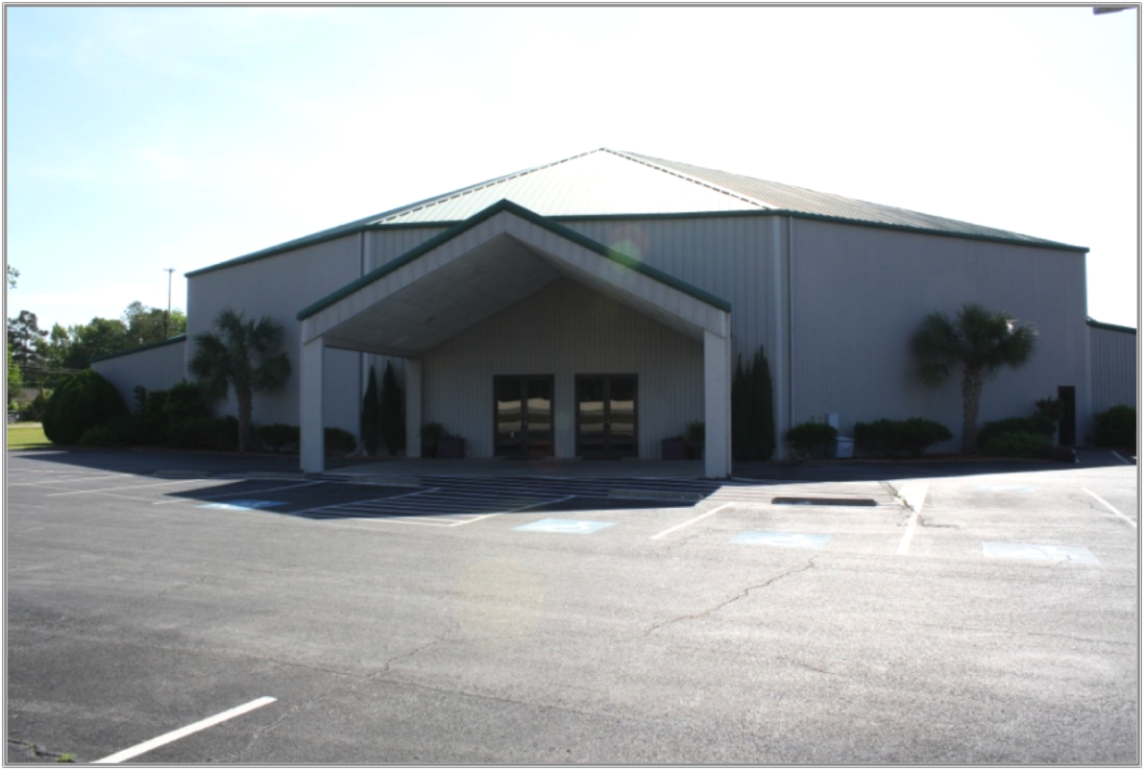
Church and Religious Building Roofing roof planning built from the roof condition.
Church and Religious Building Roofing starts with understanding where the roof is failing, how the building is used, and what level of disruption the property can support.
The review connects leak history, membrane condition, flashing details, drains, penetrations, access, and schedule constraints into a practical roof path.
Commercial Roofing Contractors of Boston keeps the next step clear for Boston, MA commercial buildings that need repair, replacement, coating, or maintenance decisions.
Commercial roof scope, documentation, access planning, and weather-aware scheduling for acrylic roof coatings.
Old South Church on Copley Square, one of Boston's most recognized Congregationalist congregations with its Venetian Gothic campanile rising above the Back Bay skyline, illustrates every complexity that Massachusetts commercial roofing contractors face when working on historic religious buildings in one of America's most architecturally preserved cities. The congregation has occupied its current structure since 1875, meaning any roofing work must navigate both the technical demands of a 150-year-old building and the regulatory environment created by the Boston Landmarks Commission, the Massachusetts Historical Commission, and the congregation's own facilities standards.
Boston's climate is among the most punishing in the continental United States for roofing systems. Nor'easters arrive with little warning and can deposit 24 to 36 inches of wet, heavy snow in 48 hours—snow that loads flat sanctuary roofs to their design limits and creates ice dams at eaves where heat loss from the building interior meets subfreezing exterior temperatures. The Charles River valley creates a wind tunnel effect that subjects rooftops along Commonwealth Avenue and Boylston Street to sustained winds exceeding 50 mph during winter storms. Any roofing system installed on a Boston church must be engineered for these combined loads, with particular attention to flashing details at the numerous valleys, dormers, and tower junctions characteristic of Victorian ecclesiastical architecture.
Gothic revival towers and spires are architectural signatures of Boston's oldest congregations, and their restoration represents the most technically demanding work in the ecclesiastical roofing sector. Standing-seam copper cladding, slate shingle patterns, and hand-formed lead flashings are the traditional materials on structures like Old South and Trinity Church in Copley Square, and their replacement or repair requires craftspeople trained in sheet metal fabrication techniques rarely taught in modern apprenticeship programs. Boston area contractors working on these buildings often partner with specialty preservation firms or bring in certified historical preservation specialists to document and replicate original material profiles before any removal begins.
Capital campaign timing in Boston's established denominations tends to follow a predictable multi-year cycle tied to major anniversaries, pastoral transitions, and broader campus master plans. A congregation undertaking a roofing project simultaneously with HVAC modernization and ADA accessibility upgrades is common in Boston's older stock of church buildings, and roofing contractors who position themselves as integrated facilities partners—rather than just roofers—consistently win the long-term relationships that lead to large projects. The Massachusetts Council of Churches and various denominational bodies maintain facilities networks through which contractors build reputations over years of reliable service.
Summer scheduling carries heightened importance in Boston because many urban congregations run extensive social service programs—food pantries, immigrant services, and after-school programs—that operate year-round in fellowship halls and education wings directly below the roof. Trinity Episcopal's outreach programs, for example, serve hundreds of Boston residents each week in spaces that cannot simply be vacated for construction convenience. Competent Boston ecclesiastical roofers phase their work carefully, maintaining full weatherproofing at the end of every shift, communicating daily with facilities staff, and never leaving a vulnerable opening overnight regardless of weather forecasts.
Historical and denominational oversight in Boston is layered more heavily than in most American cities. The Boston Landmarks Commission reviews exterior alterations to designated landmark buildings, requiring material samples, historical documentation, and public hearings before approvals are granted. The Archdiocese of Boston operates its own Office of Real Estate and Construction, which oversees roofing projects at its roughly 300 parishes. Episcopal Diocese of Massachusetts similarly maintains a building committee review process. Contractors unfamiliar with these parallel approval processes frequently lose months by submitting permit applications before denominational sign-offs are complete.
Committee-based governance in Boston's established congregations adds procedural rigor that newer evangelical churches typically lack. A project at one of Boston's historic downtown congregations may require review by a Standing Committee on Buildings, approval from the Church Council, a legal review of any contracts involving debt financing, and in some cases a vote of the full membership. This is not bureaucratic inefficiency—it reflects the stewardship obligations these congregations feel toward buildings that have served their communities for generations. Roofing contractors who respect this process, present their proposals in clear lay language, and provide detailed references from comparable religious projects build the trust necessary to be selected.
Massachusetts prevailing wage law applies to publicly funded projects but not to private religious organization construction, which means church roofing projects in Boston compete in a somewhat different labor market than school or municipal work. However, union labor relationships matter in Boston's construction environment, and many of the most experienced Boston roofing crews carry union cards. Contractors should clarify labor relationships early in the bid process, particularly for congregations with union members in their leadership who may ask direct questions about workforce classification.
Long-term roof maintenance agreements are particularly valuable for Boston churches because the city's aggressive weather demands more frequent inspection cycles than regions with milder climates. Twice-yearly inspections—one in late fall before nor'easter season and one in early spring after the last freeze cycle—allow contractors to identify and address minor flashing failures, membrane splits, and debris-clogged drains before they become emergency repairs during a January storm. Boston roofing firms that have built lasting relationships with local congregations often report that maintenance agreements account for 30 to 40 percent of their annual ecclesiastical revenue.
- PVC Roofing
- Commercial Roof Tear Off Replacement
- Insurance Claim Documentation
- Manufacturing Facility Roofing
- Mixed Use Roofing
- Modified Bitumen Roofing
- Emergency Tarp Dry
- Healthcare Facility Roofing