

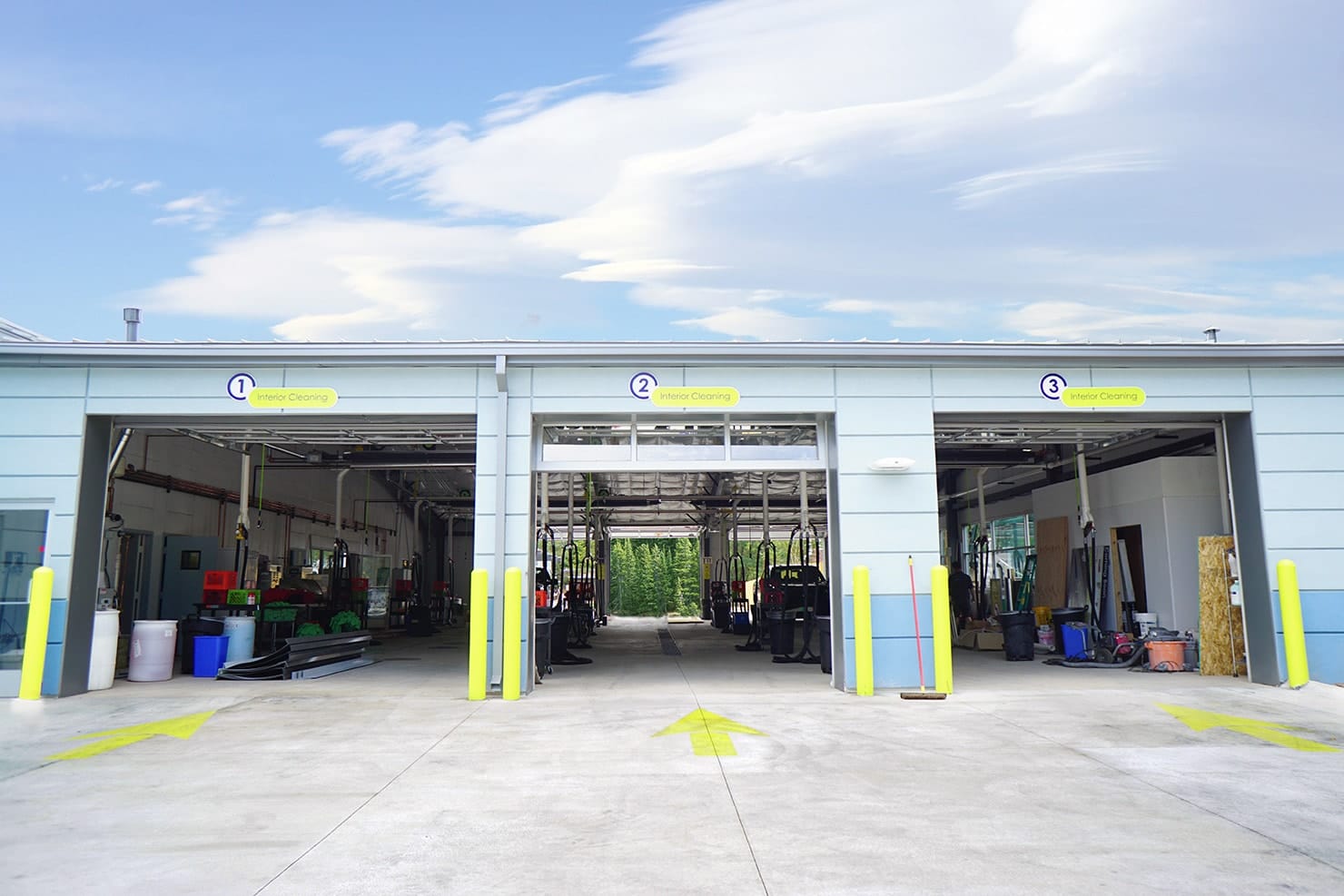
Car Wash Facility Roofing roof planning built from the roof condition.
Car Wash Facility Roofing properties need roof planning that accounts for occupancy, access, staging, rooftop equipment, tenant sensitivity, and the building's operating rhythm.
The roof path may involve leak repair, preventive maintenance, coating review, recover planning, or full replacement depending on the age and condition of the assembly.
Commercial Roofing Contractors of Boston helps organize those choices into clear next steps for commercial buildings in Boston, MA.
Car Wash Roofing Across Greater Boston
A car wash building punishes its roof from two directions at once, and that is what makes it different from every other small commercial structure we work on. From above, it takes the same New England weather load as any flat roof along the Route in Brighton. From below, it absorbs a relentless plume of heated, chemically loaded moisture rising off the tunnel. We have rebuilt and recovered wash-bay roofs for express tunnels, in-bay automatics, and self-serve operations from Dorchester out to the Route 9 corridor in Framingham, and the underside exposure is almost always the part a generic roofer underestimates.
Boston's wash operators sit in a dense, year-round market. Road salt is on the pavement from the first storm in November through the spring melt, which keeps detail and undercarriage volume high all winter. Commuter corridors like the VFW Parkway, the American Legion Highway, and the Route 16 stretch through Revere and Everett carry the kind of daily traffic that supports back-to-back express tunnels. That steady throughput means the tunnel almost never stops producing vapor, and the roof above it almost never gets a dry day to recover.
The Underside Problem Most Roofers Miss
Inside an active tunnel, hot water, foaming detergents, tire-dressing compounds, drying agents, and rust inhibitors become airborne and rise straight into the deck. Warm, saturated air hits the cooler underside of the roof assembly and condenses there. Over time that trapped moisture corrodes steel deck, rusts the heads of mechanical fasteners from the inside out, and degrades insulation facers long before anything shows as a stain on the ceiling. A wash-bay roof can be failing structurally while the membrane on top still looks serviceable.
Because of this, we treat the wash bay as its own roof zone with its own assembly. The vapor profile in the tunnel is not the vapor profile over the equipment room or the customer lobby, and a single uniform spec across the whole footprint is how condensation problems start. We look at deck type, existing fastener condition, and whether the underside has already begun to corrode before we recommend a recover versus a full tear-off.
Membrane and Fastener Choices for the Wash Environment
Membrane chemistry matters more here than on almost any other building. The alkaline detergents and wax compounds used in commercial wash programs are hard on standard single-ply, and many manufacturer warranties carry exclusions for chemical exposure. We commonly specify a thicker PVC membrane over the tunnel because its plasticizer chemistry holds up better against the detergent and surfactant load than a standard membrane formulated for an ordinary office roof.
- Fully adhered membrane over the active tunnel, so there is no fastener field penetrating into the high-corrosion zone and no membrane flutter from tunnel air pressure.
- Verification with the manufacturer that the facility's specific chemical menu is compatible with the membrane and that the warranty will actually hold for a wash application.
- A proper vapor-control strategy in the tunnel assembly so warm interior moisture is managed rather than left to condense against the deck.
- Stainless or coated fasteners and termination hardware where exposure to chemical mist is unavoidable.
Vacuum Canopies, Pay Stations, and Transitions
The wash building is rarely just one roof. Express sites along corridors like Route 1 and Route 9 typically add a vacuum canopy on the exit side, a small pay-station or equipment-room roof, and sometimes a customer waiting cover. The transitions between these structures and the main building are the most common chronic leak points we find. Canopy-to-wall flashings, canopy drain connections, and the tie-in where a lower canopy meets the taller wash building all move independently and crack open over time. We map and re-detail every one of these as part of the scope rather than treating the canopy as an afterthought.
Drainage gets specific attention on in-bay and self-serve layouts, where the roof above the equipment bays is prone to ponding. Standing water plus chemical residue accelerates membrane breakdown, so we look hard at slope, drain placement, and whether tapered insulation is needed to move water off the field.
Working Around a Tunnel That Doesn't Stop
Most Boston-area washes run seven days a week through the salt season, so we plan the work around the cash register, not the other way around. Tunnel-bay membrane work is sequenced into the early-morning or late-evening closed window when no cars are in the building and no vapor is being generated. Exterior building and canopy work can usually proceed during operating hours with the crew positioned and traffic controlled so vehicles stay clear of the staging area. Every section is dried in before the wash reopens.
Inspections and Preventive Maintenance
Wash roofs reward attention and punish neglect faster than ordinary commercial roofs. We recommend regular inspections that check the underside of the tunnel deck for early corrosion, confirm exhaust-fan curb flashings are intact, clear chemical residue and debris from drains, and catch canopy-transition cracks before they become interior leaks. Catching condensation-driven deterioration early is the difference between a flashing repair and a full deck replacement.
Common Questions From Car Wash Owners
Why does my tunnel roof fail faster than the rest of the building?
The tunnel generates a constant stream of hot, chemical-laden moisture that rises into the deck and condenses on the cooler underside. That attacks the deck, fasteners, and insulation from below, independent of anything happening on the top surface. The rest of the building never sees that load, so it lasts longer.
What membrane do you recommend over the wash bay?
Usually a thicker PVC membrane, fully adhered, because PVC resists the alkaline detergents and wax compounds better than standard single-ply and the adhered installation keeps fasteners out of the high-corrosion zone. We confirm the choice against your specific chemical program and the manufacturer's warranty terms.
Can you reroof while we stay open?
Yes. We schedule tunnel-bay work for your closed hours and handle exterior and canopy work during the day with traffic control. Each area is watertight before you reopen.
Do you handle the vacuum canopies and pay-station roofs too?
Yes. Canopy roofs, equipment-room roofs, and the transitions between those structures and the main building are part of our scope. Those transitions are where most express-wash leaks actually start.