

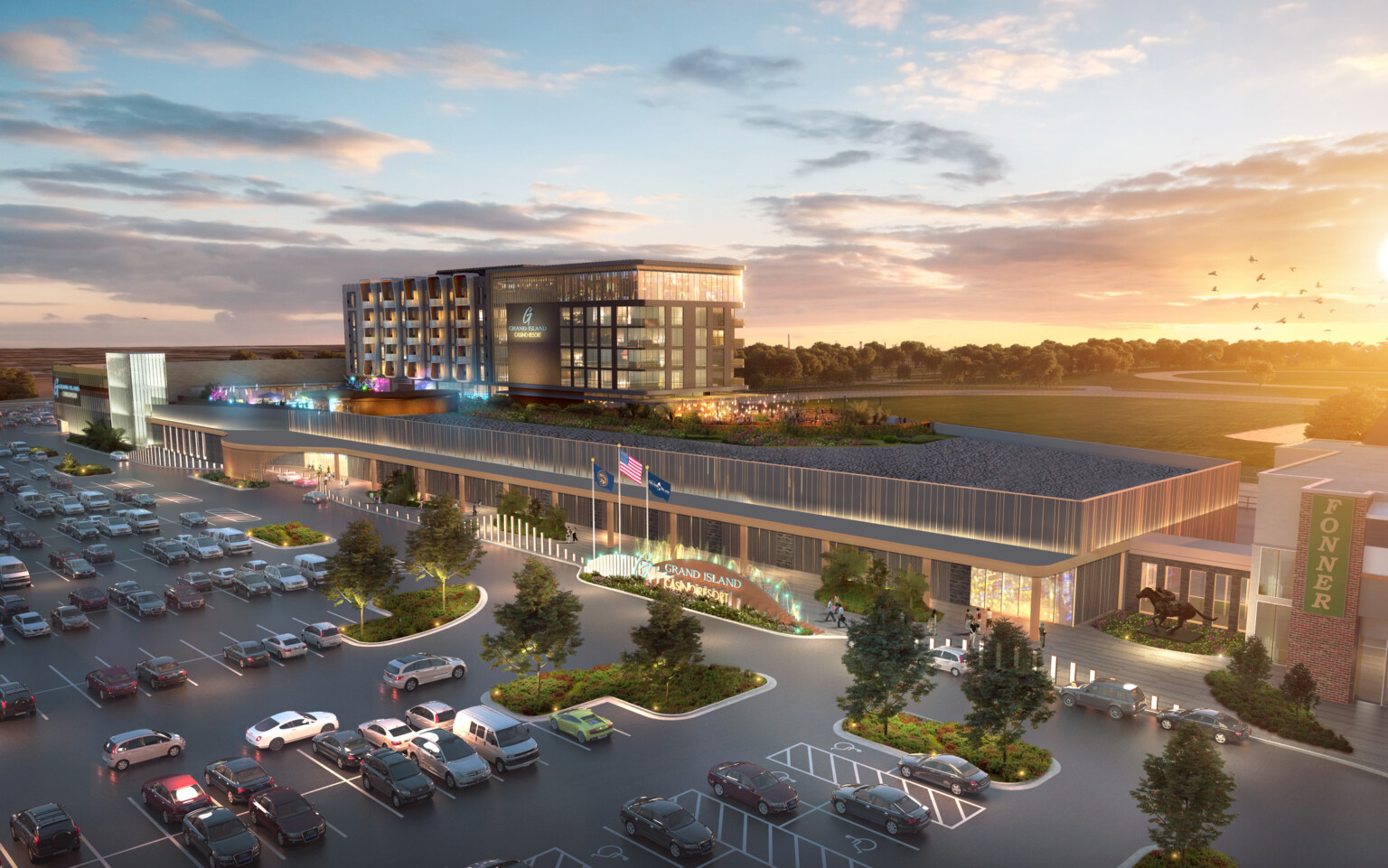
Hotel and Hospitality Property Roofing roof planning built from the roof condition.
Hotel and Hospitality Property Roofing starts with understanding where the roof is failing, how the building is used, and what level of disruption the property can support.
The review connects leak history, membrane condition, flashing details, drains, penetrations, access, and schedule constraints into a practical roof path.
Commercial Roofing Contractors of Boston keeps the next step clear for Boston, MA commercial buildings that need repair, replacement, coating, or maintenance decisions.
Commercial roof scope, documentation, access planning, and weather-aware scheduling for acrylic roof coatings.
Boston's hotel market operates at a level of intensity that few other American cities can match — a compressed geography of historic neighborhoods, a convention center on the South Boston waterfront, and a university calendar that floods the city with parents, alumni, and conference delegates on a rhythm as predictable as the tides. Full-service hotels from the Seaport District to Copley Square to the Financial Center carry premium rack rates that create equally premium expectations around physical condition, and a roof that leaks into a $400-per-night room during a nor'easter is not an abstraction — it is a direct TripAdvisor review and a potential brand quality assurance citation within the week. The roofing demands on Boston hotels begin with the reality that this city receives over 48 inches of precipitation annually and experiences genuine freeze-thaw cycling that turns minor membrane flaws into active failures with alarming speed.
The historic nature of so much of Boston's hotel stock introduces roofing complexities that newer-market operators never encounter. Converting a nineteenth-century Back Bay brownstone into a boutique hotel means working within the purview of the Boston Landmarks Commission or the Downtown Waterfront Historic District, where the visible roof profile, parapet detailing, and material choices may be subject to design review. Even chain-affiliated properties in the Fenway or Beacon Hill areas often occupy adaptive reuse structures where the original masonry parapets, copper through-wall flashings, and clay tile walkway surfaces must be preserved or replicated rather than replaced with modern equivalents. A roofing contractor who has not worked within Massachusetts historic preservation guidelines will cost a hotel owner both time and money at the permitting stage.
The Seaport District and South Boston Waterfront represent Boston's most active zone of new hotel construction, with full-service properties targeting the convention center demand from the BCEC and the growing biotech and life science conference market. These buildings are typically steel-framed with low-slope membrane roofs and extensive mechanical penthouse structures housing the chiller and HVAC systems that keep large-block meeting space air-conditioned through August. The roofing assembly on these mechanically dense rooftops must accommodate equipment access without membrane damage, and a well-designed rooftop walkway system with pavers set on pedestals preserves membrane life by protecting it from foot traffic during the inevitable mechanical service calls.
Brand PIP cycles affect Boston hotels with particular financial weight because the land values and construction costs in the city mean that owners have enormous capital at stake in franchise agreements. When a Marriott or Hilton-affiliated property in the Back Bay enters a PIP cycle tied to a brand refresh or a flag change, the roofing scope is rarely optional — brands maintaining luxury and upper-upscale standards specify minimum insulation performance, membrane warranty requirements, and in some cases green roof or cool roof provisions that align with Boston's own building energy code targets. Getting roofing scoped, permitted, and completed within the PIP window in a city with constrained contractor capacity and a union labor market requires advance planning of at least six to twelve months.
Extended-stay and limited-service hotels concentrated in the inner suburbs — Cambridge, Somerville, Quincy, and Waltham — feed the demand from Harvard, MIT, and the Route 128 technology corridor. These properties run high occupancy year-round and their owners often defer capital maintenance longer than the asset warrants because cash flow is strong and disruption to operations seems unnecessary. The winters in metropolitan Boston are punishing to low-slope roofing assemblies: ice damming at parapet edges, freeze-thaw cycling in lap seams, and the sheer mechanical loading of accumulated snow and ice can drive ponding conditions that accelerate membrane aging by years. A proactive approach to drainage maintenance and annual seam inspection is not optional in this climate — it is the difference between a planned twenty-year membrane and an unplanned twelve-year replacement.
Pool enclosure roofing at Boston's full-service hotels, including the large convention-oriented properties in the Seaport and several suburban conference centers in Dedham and Waltham, presents a continuous moisture management challenge. The humid air generated by an indoor pool in a Boston winter creates vapor pressure differentials that drive moisture into the roof assembly from the interior side, and without a properly specified and installed vapor retarder, the insulation in a pool enclosure roof can reach 30 percent moisture content within five years of installation. Thermographic scanning during cold winter months, when the interior-exterior temperature differential is large enough to make wet insulation clearly visible in the thermal image, is the most reliable diagnostic tool for these assemblies.
The summer tourism season in Boston — driven by Freedom Trail visitors, harbor cruises, and the crush of out-of-town guests attending graduations at the city's forty-plus colleges and universities — creates a narrow window of practical impossibility for major roofing work at properties anywhere near the tourist core. Hotel operators who attempt tear-off and replacement work during June or July on properties in Faneuil Hall, the North End, or the Waterfront risk noise complaints, access conflicts with sidewalk-level operations, and the reputational damage of visible construction equipment above a busy front entrance. The optimal window for major Boston hotel roofing work is October through early December, before the holiday season occupancy spike, or the brief shoulder of late February before spring break demand arrives.
The regulatory environment in Boston adds a layer of complexity that cost-conscious operators sometimes underestimate. The city's building department requires permits for roofing replacements on commercial structures, and properties in flood zones along the Waterfront must comply with FEMA elevation requirements that affect rooftop drainage design. Boston's updated stretch energy code also imposes minimum aged solar reflectance and thermal emittance requirements on commercial roof membranes, which effectively eliminates certain legacy membrane products from consideration on re-roofing projects. Working with a contractor who monitors code updates and pulls permits routinely — rather than one who treats permitting as an afterthought — avoids costly stop-work orders.
- Commercial Roof Leak Repair
- Edge Metal Coping Gutters
- Auto Dealership Roofing
- Restaurant Roofing
- KEE Single Ply Roofing
- Preventive Maintenance Programs
- Manufacturing Facility Roofing
- Preventive Roof Maintenance